
 Ver en Español
 Voir en français
 Смотреть на русском
 Bekijk in het Nederlands
 Auf Deutsch ansehen
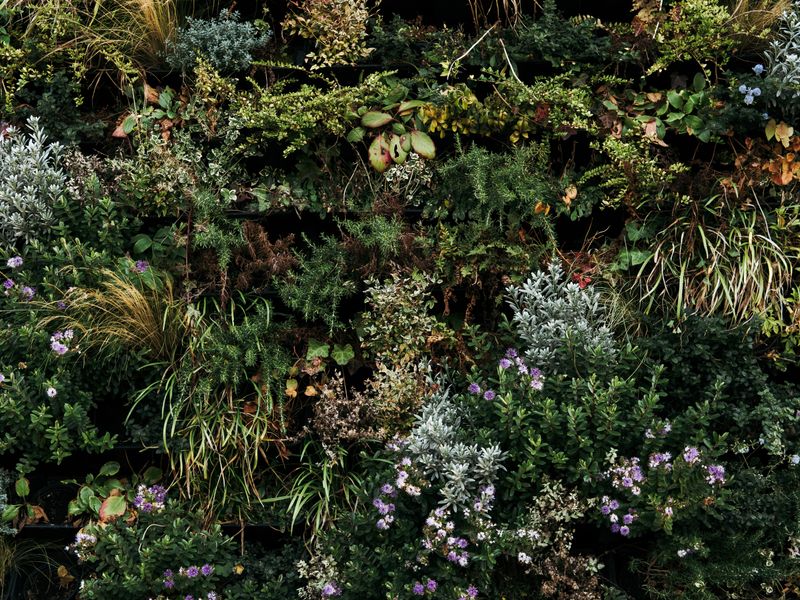
A garden isn't just something you look at – you smell it too. Jasmine at dusk, orange blossom in spring or lavender brushing against your hand are part of what makes a Mediterranean garden special. The good news is that many of the most fragrant plants are also among the best suited to the sun, heat and low rainfall of the Costa Blanca.
We have split our selection into two groups: aromatic-leaved plants, which release their scent when touched or warmed by the sun, and fragrant-flowered plants, which fill the air while they are in bloom.
Aromatic leaves: the Mediterranean classics
These are native plants or plants very well adapted to our climate. They need full sun, well-drained soil and very little water once established – in fact, overwatering is what harms them most.
- Lavender (Lavandula spp.): the signature scent of the Mediterranean garden. Lavandula dentata flowers almost all year round on the coast; L. angustifolia has the finest perfume. A light trim after flowering stops it from going leggy.
- Rosemary (Salvia rosmarinus): perfect as a low hedge, on slopes or, in its trailing form, spilling over walls. It flowers in winter, when little else does, and attracts pollinators.
- Thyme (Thymus spp.): small mounds that release their scent when stepped on or brushed. Ideal between the stones of a path or along the edge of borders.
- Sages (Salvia officinalis and ornamental salvias): aromatic leaves and long flowering in blue, pink or red. Salvia microphylla also has a lovely fruity scent.
- Cotton lavender (Santolina chamaecyparissus): silver-grey foliage with an intense scent that contrasts beautifully with lavender and rosemary.
- Lemon verbena (Aloysia citrodora): a deciduous shrub with an unmistakable lemon fragrance. Just brush it to perfume your hand; the leaves make a lovely infusion.
- Scented geranium (Pelargonium graveolens): leaves that smell of rose and lemon. Very tough and perfect in terrace pots.
Mint and basil are also much loved, but they need considerably more water: best grown in pots, in partial shade and close to the kitchen.
Fragrant-flowered plants
- Star jasmine (Trachelospermum jasminoides): an evergreen climber that in May and June is covered in white flowers with a sweet, intense scent. Ideal for fences, pergolas and trellises; it copes well with sun and coastal wind.
- Common jasmine (Jasminum officinale) and pink jasmine (Jasminum polyanthum): the first perfumes summer nights; the second flowers at the end of winter, heralding spring.
- Night-blooming jessamine (Cestrum nocturnum): its flowers, inconspicuous by day, release one of the most powerful perfumes in the garden at night. It is so strong that it is best not planted right under a bedroom window. All parts of the plant are toxic if eaten – bear this in mind if you have small children or pets.
- Citrus (orange blossom): lemon, orange and mandarin trees offer the scent of orange blossom in spring, as well as their fruit. The bitter orange is highly ornamental and does well in urban gardens. At our plant nursery we have lemon, bitter orange, mandarin and kumquat trees.
- Honeysuckle (Lonicera spp.): a hardy climber with flowers that are especially fragrant at dusk, great for covering walls.
- Japanese mock orange (Pittosporum tobira): as well as being one of the toughest hedges on the coast, its spring flowers smell of orange blossom.
- Frangipani (Plumeria): the ultimate tropical perfume. On the Costa Blanca it works in sheltered coastal spots or in pots, as it tolerates neither frost nor waterlogging.
- Gardenia (Gardenia jasminoides): its scent is spectacular, but it struggles in the chalky soils and hard water of the area. If you love it, grow it in a pot with acidic compost and in partial shade.
A scent calendar: something to smell all year
| Season | What perfumes the garden |
|---|---|
| Winter Dec – Feb | Rosemary in flower, pink jasmine (late winter), lavender, santolina and scented geranium leaves |
| Spring Mar – May | Citrus blossom, pittosporum, honeysuckle, lavender and, in May, star jasmine |
| Summer Jun – Sep | Common jasmine, night-blooming jessamine, frangipani, lemon verbena and lavender |
| Autumn Oct – Nov | Night-blooming jessamine (last flowers), salvias, Lavandula dentata and scented geranium |
Where to place aromatic plants
- Next to paths and steps: rosemary, lavender and thyme release their scent every time someone brushes past.
- Near the terrace and seating areas: jasmine and night-blooming jessamine are at their most fragrant just when the garden is most used in summer – in the evening.
- On pergolas, fences and trellises: fragrant climbers make use of vertical space and also provide shade and privacy.
- Without crowding too many strong scents into one corner: it is better to spread them out so each area of the garden has its own fragrance.
Tips for healthy growth
Mediterranean aromatics need sun, good drainage and little water. If your soil is clay-heavy and holds water, improve it with sand or gravel, or plant them in slightly raised areas. Group them with other low-water species and use drip irrigation so their roots never sit in water; you will find more ideas in our guide to low-water plants.
Autumn is the best time to plant on the Costa Blanca: the soil is still warm, the first rains arrive and plants take root before the summer heat.
Would you like a fragrant garden?
At Jardines Costa Blanca we design gardens with the sense of smell in mind too, choosing each species according to the aspect, the soil and how each area is used. Ask for a free, no-obligation quote for landscaping and garden design or visit our plant nursery.