
 Ver en Español
 Voir en français
 Смотреть на русском
 Bekijk in het Nederlands
 Auf Deutsch ansehen
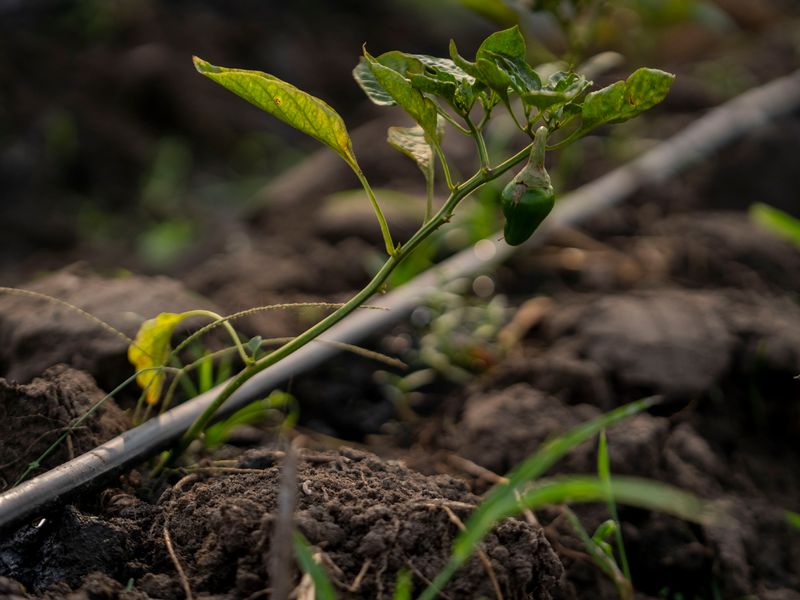
Few things are as enjoyable as a tomato picked straight from the plant. And the Costa Blanca, with its sunshine and mild winters, is one of the best places in Europe for a vegetable garden: here you can harvest something practically twelve months a year. In this article we explain how to set up your vegetable garden and what to grow in the summer season; in part two we cover the winter vegetable garden.
Step 1: choose the spot
- Sun: summer vegetables need at least 6 hours of direct sun a day. A south- or east-facing spot is ideal.
- Close to a water supply: in summer you water often, and having a tap nearby makes everything easier.
- Sheltered from the wind: the dry westerly wind and sea breezes dehydrate plants. A hedge, fence or windbreak netting helps a lot.
- Away from the roots of large trees, which compete for water and nutrients.
Step 2: prepare the soil
Soils in this area tend to be chalky, low in organic matter and sometimes very clay-heavy. Before planting, dig or loosen the soil to about 30 cm, remove stones and roots, and add a generous layer of compost or well-rotted manure. If the ground is very poor or space is limited, raised beds and grow tables filled with vegetable compost are a convenient, clean solution – and kinder to your back.
If the plot is overgrown, the first step is a thorough land clearing and cleaning.
Step 3: drip irrigation
Drip irrigation is the best investment for a Mediterranean vegetable garden: it delivers water right to the roots, saves a lot of water compared with flood or hose watering, keeps the leaves dry (reducing fungal problems) and, with a timer, waters the garden even when you are away for a few days. In high summer you will usually water daily or every other day, early in the morning. A straw mulch around the plants keeps moisture in and holds back weeds.
Summer vegetables and their calendar
On the Alicante coast the summer season starts earlier than in the rest of Spain: the first tomatoes can be planted out as early as March if there is no risk of cold.
| Vegetable | Sowing / planting out | Harvest |
|---|---|---|
| Tomato | Plant out Mar – May | Jun – Oct |
| Pepper | Plant out Apr – May | Jul – Nov |
| Aubergine | Plant out Apr – May | Jul – Oct |
| Courgette | Mar – Jun (staggered) | May – Sep |
| Cucumber | Apr – Jun | Jun – Sep |
| Melon and watermelon | Apr – May | Jul – Sep |
| Green beans | Direct sowing Mar – Jul | May – Oct |
- Tomato: the king of the vegetable garden. It needs stakes or canes, and you should pinch out the side shoots (the shoots between the stem and the leaves) so the plant puts its energy into the fruit.
- Pepper and aubergine: slower and heat-loving. Regular watering stops the flowers from dropping.
- Courgette: very productive; two or three plants are plenty for a family. Pick them small – they are more tender.
- Cucumber, melon and watermelon: need space or a trellis to climb, and plenty of sun.
- Green beans: dwarf or climbing. Sow every 3–4 weeks to harvest all summer.
Tip: blossom end rot (the black patch at the base of a tomato) is not a pest but the result of irregular watering, which prevents the plant from absorbing calcium. Water steadily and don't let the soil swing from bone dry to waterlogged.
Common pests and diseases in the summer vegetable garden
- Aphids: small green or black insects on tender shoots. Organic treatment: potassium soap, a jet of water and encouraging ladybirds and lacewings, their natural predators. Avoid over-feeding with nitrogen, which attracts them.
- Whitefly: clouds of tiny white insects under the leaves of tomatoes and courgettes. Treatment: yellow sticky traps, potassium soap and neem oil.
- Red spider mite: a mite that thrives in hot, dry conditions; leaves look speckled with fine webbing. Treatment: raise humidity by wetting the soil and paths, and sulphur (never above 30 °C, as it scorches the plant).
- Tomato leafminer (Tuta absoluta): its larvae tunnel through leaves and fruit. Treatment: pheromone traps, removing and destroying affected leaves, and Bacillus thuringiensis.
- Caterpillars: bore into tomatoes and peppers. Treatment: Bacillus thuringiensis, a bacterium that only affects caterpillars and is harmless to people, animals and bees.
- Powdery mildew: a white powder on courgette, cucumber and melon leaves. Treatment: sulphur or potassium bicarbonate, good air flow between plants and removing the worst-affected leaves.
- Tomato blight: brown patches on leaves and fruit after humid days. Treatment: copper as a preventive, used sparingly, and drip irrigation that keeps the leaves dry.
Prevention is the best treatment
- Rotate crops: don't plant tomatoes, peppers or aubergines (all the same family) in the same place two years running.
- Companion planting: basil next to tomatoes, and calendulas and marigolds among the vegetables, attract beneficial insects and help keep some pests in check.
- Check the garden often, especially the undersides of leaves: a pest spotted early takes very little to control.
- Use natural preventives such as nettle tea, which strengthens plants, or horsetail against fungi.
Remember that even when they are approved for organic growing, potassium soap, neem, sulphur and copper are plant protection products: read the label, respect the doses and the pre-harvest interval, and apply them at dusk, when there are no bees about and the sun is not strong.
Would you like your own vegetable garden?
At Jardines Costa Blanca we can help you prepare the ground and install a drip irrigation system with a timer so your vegetable garden waters itself. And if pests get out of hand in the rest of your garden, see our fumigation and pest control service.