
 Ver en Español
 Voir en français
 Смотреть на русском
 Bekijk in het Nederlands
 Auf Deutsch ansehen
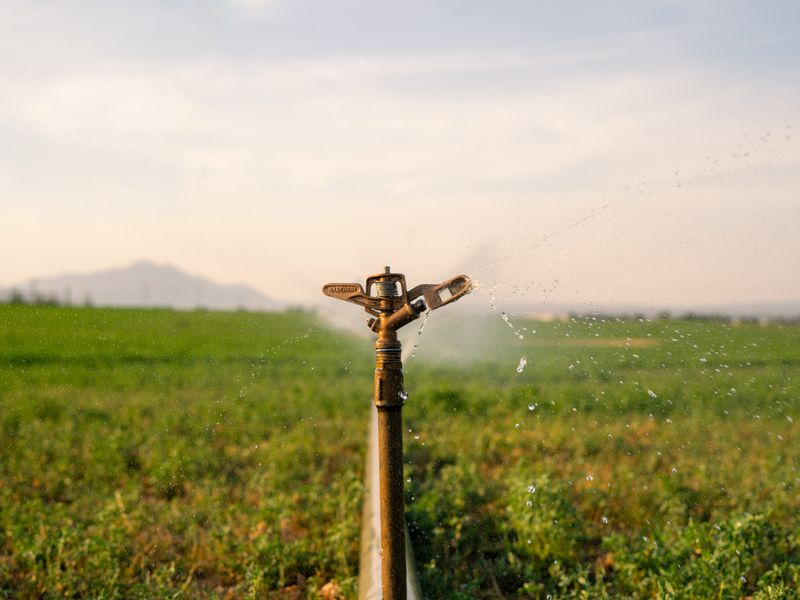
Many people think the vegetable garden ends with summer, but on the Costa Blanca it's just the opposite: autumn and winter are among the best growing seasons. Mild temperatures, autumn rain and the near-total absence of frost on the coast mean you can harvest lettuces, broad beans, cabbages or artichokes for months, with far less watering than in summer.
If you don't have a vegetable garden yet, in the first part of this guide we explain how to set up a vegetable garden step by step: choosing the spot, preparing the soil and drip irrigation.
Getting the garden ready for the new season
- Clear the summer remains (tomato plants, exhausted courgettes) and compost them if healthy; if they had pests or diseases, take them out of the garden.
- Replenish organic matter with compost or well-rotted manure before planting.
- Rotate crops: where the tomatoes were, now plant broad beans or peas, which also enrich the soil with nitrogen.
- Adjust watering: in winter needs drop sharply. Reduce the timer frequency and switch it off on rainy days.
What to plant in the winter vegetable garden
On the coast, most sowing and planting out is done between September and November, although many leafy vegetables can be sown in batches all winter.
| Vegetable | Sowing / planting | Harvest |
|---|---|---|
| Broad beans | Oct – Dec | Feb – Apr |
| Peas | Oct – Dec | Feb – Apr |
| Garlic | Oct – Dec (cloves) | May – Jun |
| Onions | Plant out Nov – Feb | Apr – Jun |
| Cabbage, broccoli and cauliflower | Plant out Aug – Oct | Nov – Mar |
| Lettuce and endive | Sep – Feb (staggered) | All winter |
| Spinach and chard | Sep – Nov | Nov – Mar |
| Carrots and radishes | Direct sowing Sep – Feb | Radishes after a month; carrots after 3–4 months |
| Artichoke | Plant Jul – Sep | Nov – Apr |
- Broad beans and peas: easy, productive and they improve the soil. Peas need netting or canes to climb.
- Garlic and onions: take up little space and need hardly any work. Choose onion varieties suited to our latitude.
- Cabbage, broccoli and cauliflower: need rich soil and space between plants; in return, they crop all winter.
- Lettuce, spinach and chard: sow small amounts every few weeks so there is always something to cut.
- Artichoke: the star vegetable of the Vega Baja. A perennial that, well looked after, produces for several years.
Common pests and diseases in winter
- Black bean aphid: gathers on the tender tips once flowering begins. Organic treatment: pinch out the tops of the broad beans (once the plant has several tiers of flowers) and use potassium soap if the infestation spreads.
- Cabbage caterpillars: the larvae of the cabbage white butterfly devour the leaves of cabbages, broccoli and cauliflower. Treatment: insect netting over the crop, checking the undersides of leaves to remove egg clusters, and Bacillus thuringiensis.
- Mealy cabbage aphid: greyish colonies in the heart of cabbages. Treatment: remove the worst-affected leaves and use potassium soap.
- Snails and slugs: come out after rain and can eat seedlings in a single night. Treatment: hand-pick them at dusk, beer traps sunk level with the soil, and ferric phosphate pellets, approved for organic growing and less dangerous for pets and wildlife than conventional slug pellets.
- Downy mildew and rust: fungi that appear with autumn humidity on onions, garlic, peas and broad beans (yellowish patches, orange powder). Treatment: don't overwater, leave space between plants for air to circulate, remove affected leaves and use copper as a preventive.
- Birds: sparrows can wipe out newly emerged lettuce and pea seedlings. Light netting over the seedbeds is enough.
Organic prevention: the basis of a healthy vegetable garden
- Companion planting: carrots and onions grown together protect each other from some pests, and lettuces make use of the space between cabbages.
- Attract beneficial insects: leave some flowers in the garden (calendulas, borage) for ladybirds, hoverflies and other natural predators.
- Water without wetting the leaves and only when needed: in winter, too much water is the main cause of fungal disease.
- Strengthen plants with nettle tea and use horsetail as a preventive against fungi.
Even when approved for organic use, potassium soap, Bacillus thuringiensis, copper and ferric phosphate are plant protection products: always follow the label instructions and respect the pre-harvest interval.
Shall we start your winter vegetable garden?
October and November are the perfect time to start. At Jardines Costa Blanca we can help with land clearing, installing drip irrigation and year-round maintenance of your garden and vegetable plot.